Back to Blog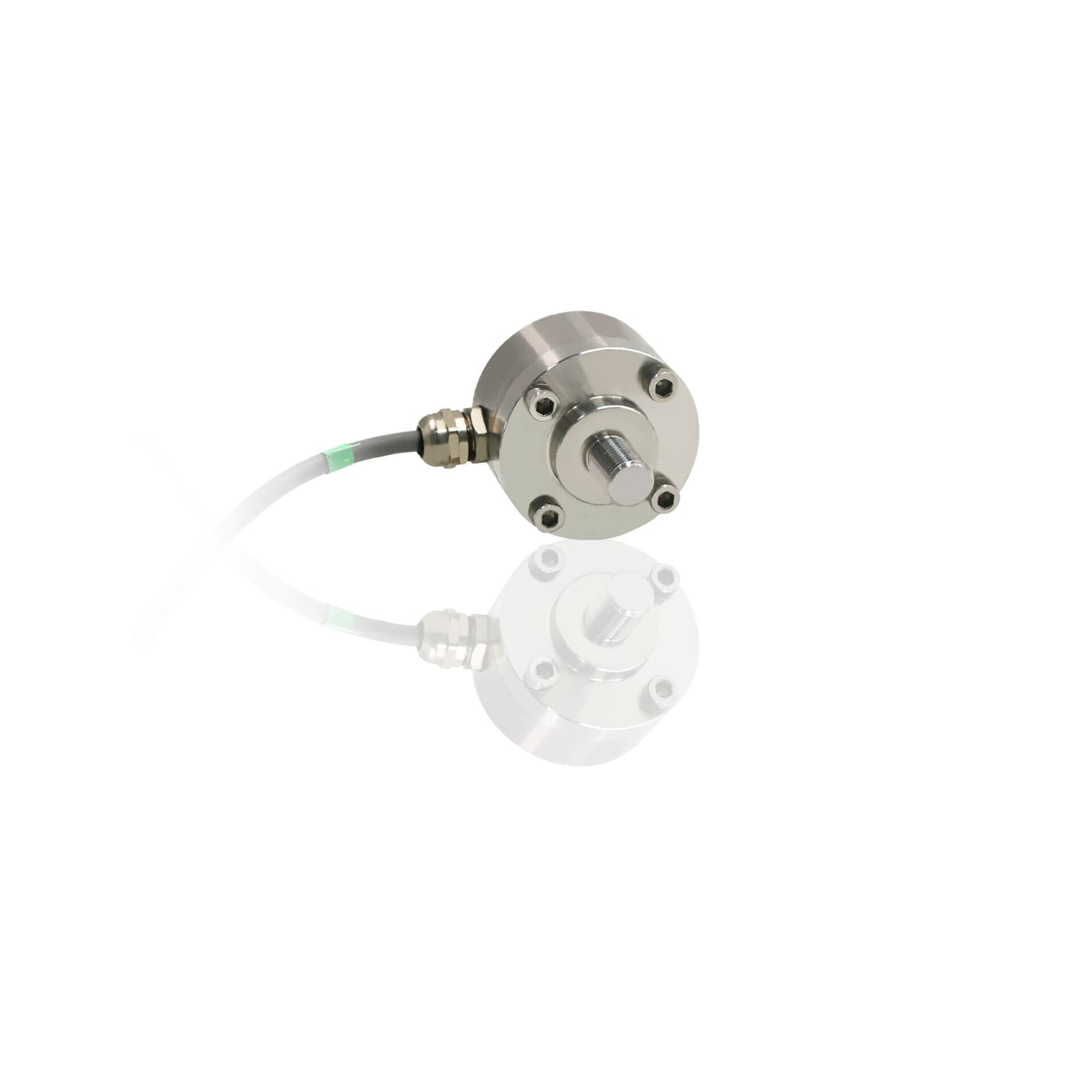

How Load Cell Elastomer Design Affects Weighing Performance
管理June 27, 2026
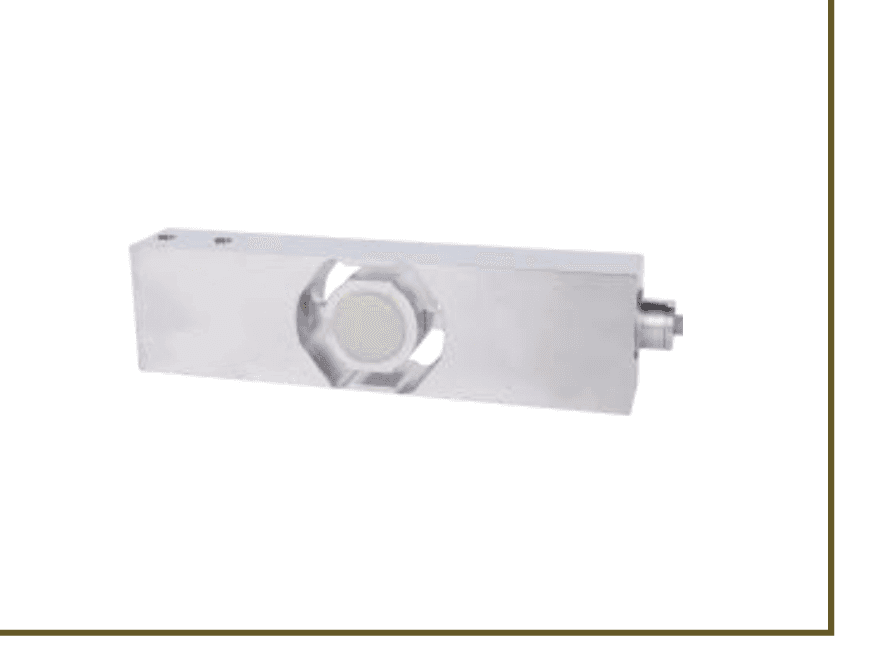
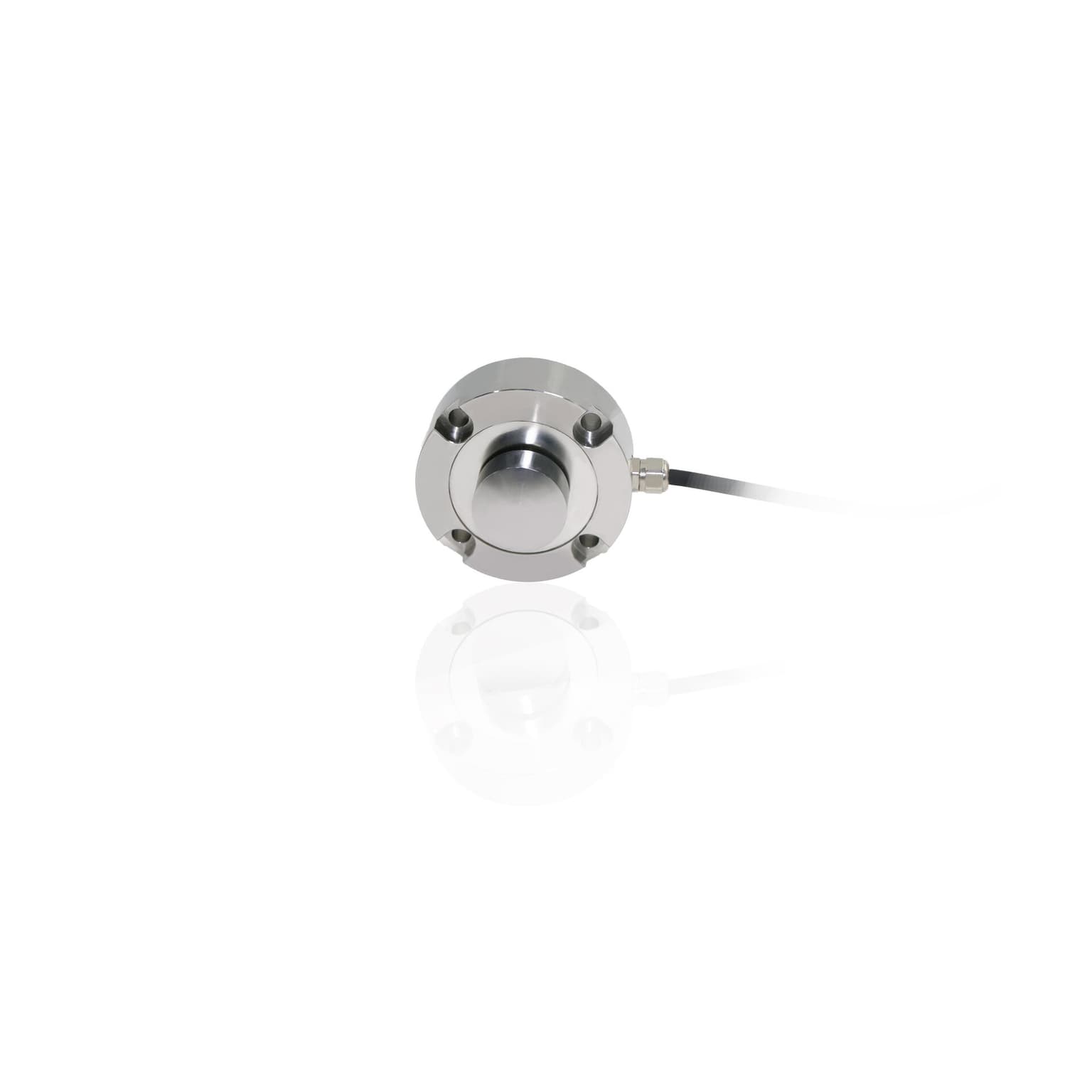
The elastomer is the mechanical core of a strain-gauge load cell. Its geometry determines how an applied force is converted into measurable strain, while material properties and machining consistency influence repeatability and long-term stability.
For industrial buyers, the correct choice depends on rated capacity, load direction, mounting space, environmental conditions and required output. Alloy steel, stainless steel and aluminum are commonly considered, but the final material and heat treatment should be confirmed against the application.
Machining alone does not define sensor accuracy. Strain-gauge selection and bonding, wiring, temperature compensation, sealing, calibration and signal conditioning also affect the finished system. Buyers should therefore review the complete specification rather than comparing only the elastomer shape.
Bonida can support model selection and supply discussions based on your capacity range, dimensions, output requirements and operating environment. Final performance values and inspection requirements should be confirmed in the quotation and technical agreement.
Share this article
Related Articles
On July 9, 2026, Bonita celebrates its 10th anniversary. Over the past decade, we have continued to strengthen our capabilities in industrial sensors and...
A practical buyer checklist covering drawing review, material confirmation, process planning, in-process checks and final inspection for custom machined parts.
Essential tips for selecting a reliable CNC machining partner in China. Learn what to look for in certifications, quality control, communication, and pricing...